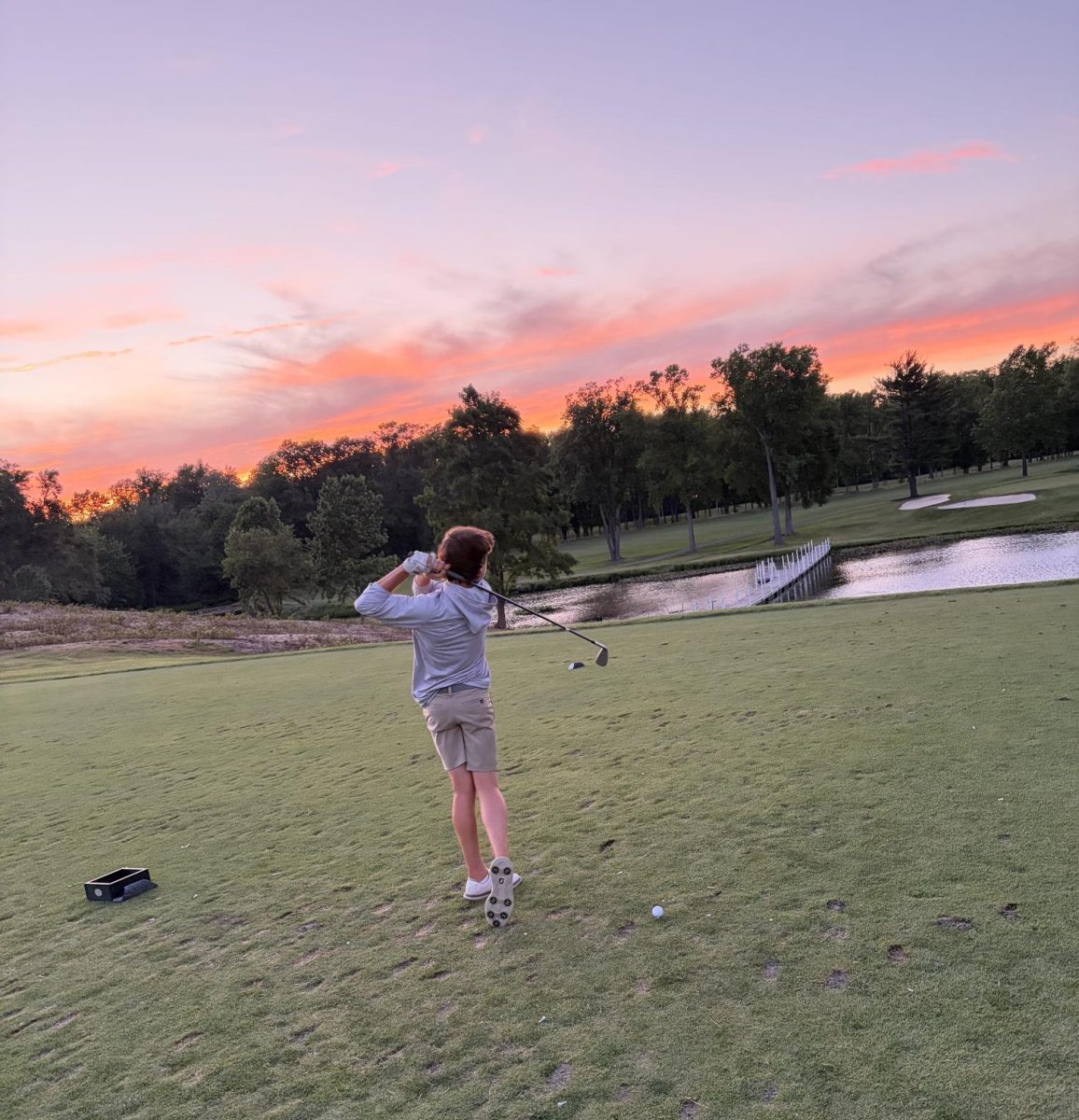
Have you ever wondered why so many people love golf all of a sudden? Golf has been on a steady rise recently. We went around our school asking students and staff what they think. It is clear that many people have something to say about it. We believe golf is rising in popularity because of the fun and excitement it provides, the mental challenge it offers, and the exercise players get from participating.
History teacher Mr. Robert Maver had high praise for golf: “I play a lot myself, and golf was one of the best decisions I’ve made in my life. The thrill is something that all kids should enjoy, and I encourage kids to work on their game as much as possible if they want to improve.”
This clearly demonstrates that golf can change your day from stormy to bright. One can assume that many people would pick up this sport because the enjoyment that comes with it is significant.
Mr. Matthew Varhley, eighth grade social studies teacher, told us about the sport of golf: “As a young kid, I highly recommend picking up golf. It is a sport you can play with friends and have a lot of fun with at any time of year, and it will go a long way for you when you’re older and want to play with your buddies.”
Next, golf is a unique sport because it does not require extreme athleticism and can be played by almost anyone, which makes a significant difference. “Unlike high-impact sports like football or basketball, golf is low-impact and can be played at any age. This longevity makes it attractive to people who want a sport they can enjoy throughout their lives. According to the National Golf Foundation, in the U.S. alone, around 25.6 million people play golf, with the average player remaining active in the sport for 20+ years. This accessibility across generations allows for unique bonding opportunities among families and friends, contributing to its widespread appeal” (Sport Screen). This is important because it shows that anyone is able to play, and everyone is able to play with others, bringing communities together.
It is seen that others have different opinions. “Yes, numbers being so high is (theoretically) great for our game, even though, as a result, the cost of membership and green fees have risen to astronomical levels as golf clubs look to cash in before the busy bubble bursts. Unrepaired pitch marks, bunkers not raked, and divots not being filled in have been a regular occurrence and sticking point at clubs for decades. Since Covid, the problem has only gotten worse.”
Although this may be true, golf can also help with other skills for later in life. “One of the greatest aspects of golf is its social nature. Unlike solitary workouts at the gym or high-intensity sports that require peak physical performance, golf allows players to connect with others while staying active.” This is a strong example of how golf can help people communicate and build relationships that can last a lifetime. One can assume these pros outweigh the cons, considering players can gain advice from others and improve their social skills.
Students at Edison Intermediate School had a lot to say about golf and how it has impacted them. Eighth grade student Mason Kim said, “I have been playing golf for around six years. I play very often, and while it can be incredibly fun, it can also be frustrating, which is what makes it fun and interesting.”
Also, eighth grader Liam Benson said, “I really enjoy playing golf. I get to take a break from harder sports and still get good exercise while hanging out with friends.”
Both of these quotes show how golf has a positive impact on young students, helping them stay calm and use strategic thinking to solve problems in real time. All in all, the fun and excitement of the game, the mental challenge it provides, and the chance to stay active are the main reasons so many people are turning to golf. Students and adults alike agree that golf offers a unique balance of relaxation and focus that keeps them coming back to the course. This shows how golf can positively impact people of all ages, helping them build friendships, relieve stress, and develop important life skills. If communities truly want to support healthy, active lifestyles, they should continue to encourage more people to pick up golf and experience these benefits for themselves.