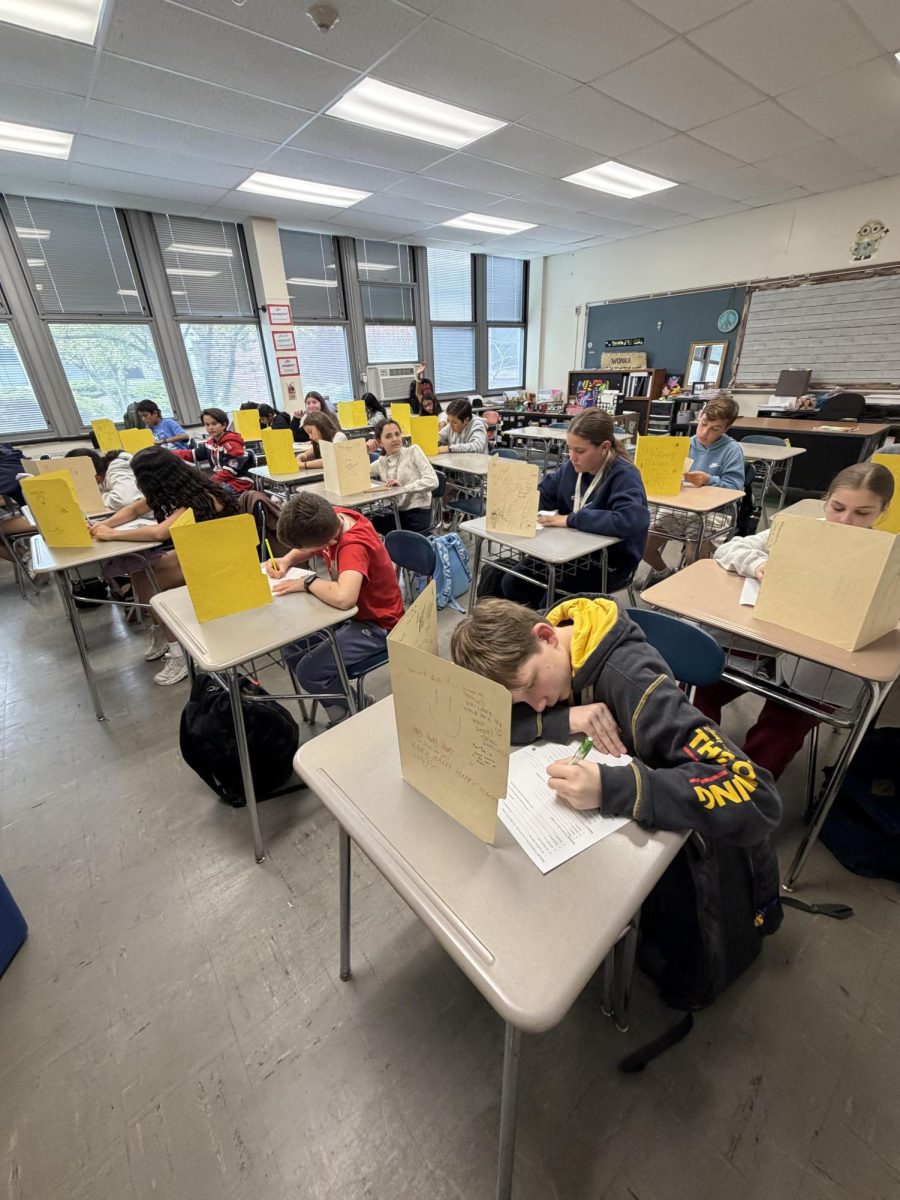
Imagine a world without standardized testing, where students don’t have to worry about the limited study time they are allowed, and teachers don’t have to worry about how students’ poor results will affect them. Would it make students happier? Would teachers be happier? Based on evidence, the answer is a resounding yes. Standardized testing has been used for over 50 years, causing students anxiety and a decrease in their self-esteem. The difference between standardized testing and normal testing is standardized testing results are submitted to the states to check on schools, as well as how well students are retaining information. After all of this information, you will agree that regular testing should remain the only testing instead of state testing because of teacher preference, student mental health, and the overall unfairness of standardized testing.
To start, even teachers agree that standardized testing is an inaccurate form of testing for students. Teachers were asked what they think of standardized testing, and according to 84% of teachers, “state testing is not an appropriate benchmark for student learning, while 11% said it “somewhat” is. Just 5% believe state testing accurately measures student learning (Vilcarino). It is shown that the majority of teachers agree that standardized testing is not accurate for students’ best abilities and what they learned. This shows that it’s not only children who believe standardized testing is inaccurate, but also adults. Also, teachers believe it is unfair to students who are not as good at taking tests: “Educators have varied opinions about the effectiveness of these exams. Some believe the end-of-year state assessments measure only a student’s ability to take a test and use a one-size-fits-all approach in education” (Vilcarino). The educator saying standardized testing is a one-size-fits-all approach proves that teachers agree that not all students are good at taking tests, and kids who are have an unfair advantage. All in all, teachers who have experience with kids and the accuracy of tests believe standardized testing is not an appropriate or fair solution to show what students learned.
Another point is how standardized testing is affecting student mental health for the worse, which, at this time, is a very dangerous thing to mess with. Teachers and parents are seeing higher levels of mental issues in the students around testing time, making them perform lower: “‘Teachers and parents report that high-stakes tests lead to higher levels of anxiety and lower levels of confidence on the part of elementary students,’ researchers explained in a 2005 study. Some young students experience ‘anxiety, panic, irritability, frustration, boredom, crying, headaches, and loss of sleep’ while taking high-stakes tests, they reported, before concluding that ‘high-stakes testing causes damage to children’s self-esteem, overall morale, and love of learning’” (Terada). If students, even at an elementary school level are behaving in this way as a reaction to standardized tests, just think of students at a middle school or high school level. The amount of stress the tests are causing is just not worth the reward of finding out little information on the students. In summary, the results we get from standardized testing aren’t worth the moral stress on students. Even at a young age, they know these tests are very over-stressed and not worth the small reward of learning very little about the students.
People who believe standardized testing is the best option to assess students and schools may argue that standardized testing is more accurate than other solutions and is necessary to assess how well students are retaining information and how well the teachers are teaching. However, this is simply untrue; students and teachers both agree that state testing is basically just a large test that places excessive stress on students, so even though it might appear as a functioning test now, it will not be helpful to them in the future, and we should try to minimize stress as much as possible. This is why it should just be a regularly formatted test, as if they were taking a final or a midterm, divided into intervals to minimize stress for the students.
In conclusion, standardized testing is inaccurate due to students being bored and skimming the questions, and teachers agree with this. In addition, it only causes stress and decreases the students self esteem. Also, standardized testing is unfair to students who may be worse at taking tests than others who are better at it. While there are opposing views that could make sense, standardized testing is not an appropriate way to measure scores due to its effect on student’s mental health, an advantage for students who are better at focusing and test-taking, and teacher’s disagreement with it. A solution to this problem is using student’s tests throughout the year instead of having one long test that drains students and stresses them out more than normal tests.