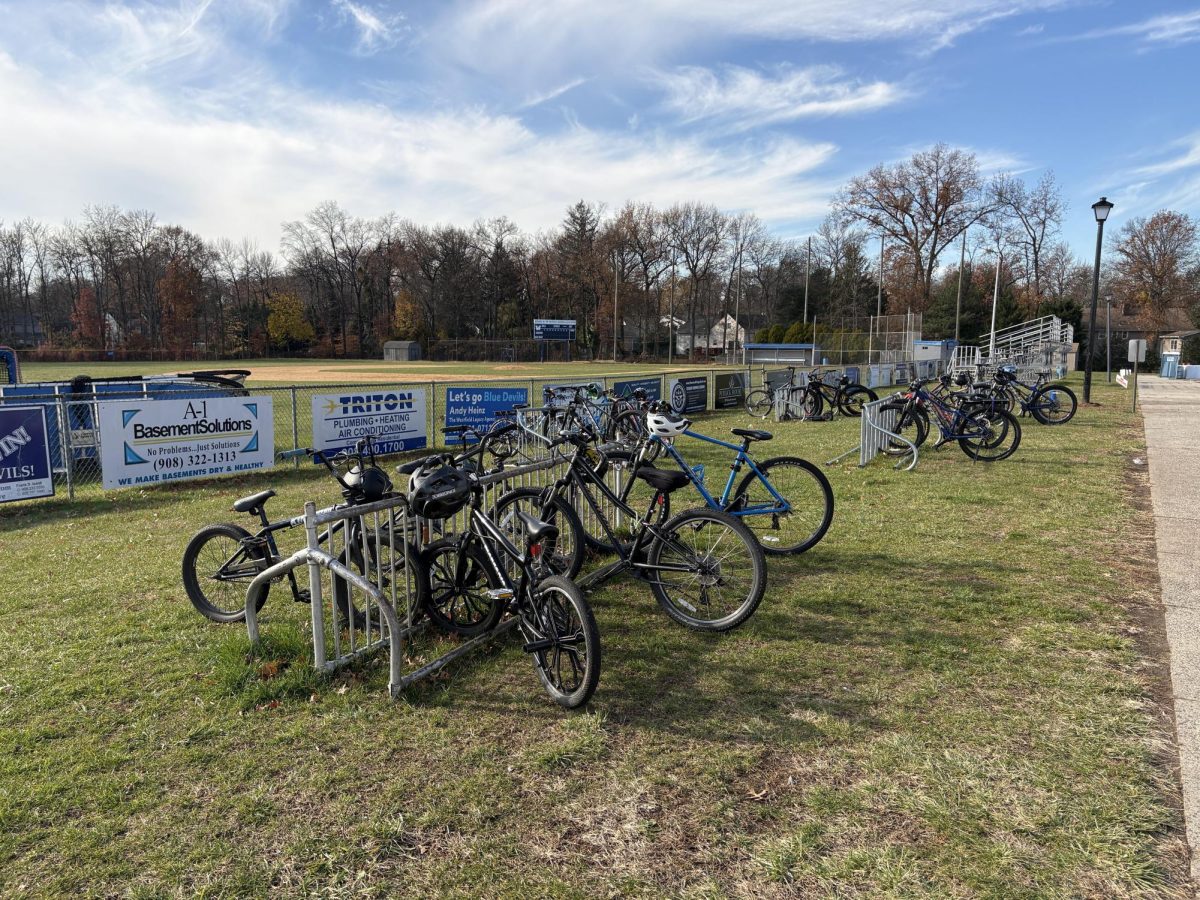
Imagine coming home after a long day of work and collapsing onto the couch. You turn on the local news and see that a kid was involved in an e-bike accident just a few minutes from your house. As e-bikes become more popular among teens, the associated risks increase.
According to seventh grade student Zach Mendelsohn, “The biggest risks with e-bikes include fatal injuries and death. The town should pass new laws, which could be adding separate riding limits for e-bikes.”
These riding limits could introduce a new safety feature that sets these bikes apart from cars and other high-motor vehicles. However, most teens value their freedom, and almost every kid dreams of the day when they can finally drive. E-bikes are teens’ way to independence since they can’t yet drive cars. “The logic applies because, in 2025, there are no e-bikes designed and built specifically for young children… These bikes are essentially slow motorcycles with pedals you technically turn, but your effort is variable and either too little or too much.” (So).
Therefore, safety among teens needs to be prioritized. This begins with making laws, even if they seem out of reach. Sixth grader Gabe Carr shared his thoughts on the dangers of e-bikes. He said, “A separate license for e-bikes should be necessary. Just because you can’t drive a car doesn’t mean you shouldn’t be able to ride a bike.”
Having a separate license could help keep the e-bike community safe, especially as the total number of riders keeps rising.
In 2022, Florida had only three e-bike injuries total. By 2024, injuries rose to 74. As of July 11th, 60 injuries have already been reported, mostly ages 10-16. For most companies, the legal age to ride their bikes is 16, but in many states, a license isn’t required to ride a class 1 or 2 e-bike (Today Show). More injuries caused by e-bikes happen each month, and it’s up to teens, parents, or both to prevent them.
Parents who buy e-bikes for their children are never 100% sure their kids will ride safely. They have to trust that their kids will make good decisions and avoid illegal actions or putting themselves in danger. Seventy-five percent of those we interviewed said e-bike accidents should be considered 50-50 (kids and their parents) when it comes to who is at fault. Sixth grade student Arjun Verma said, “It should be the parents’ fault because they shouldn’t have bought it for their kid if they couldn’t be sure their kid will be safe.”
These bikes aren’t just a threat on the road, but they also pose additional hazards at home and in other buildings. “Reports of e-bikes catching fire and hitting pedestrians have triggered public anxiety and even proposals to restrict or ban them. Many residential and commercial buildings have banned e-bike charging or parking indoors to avoid any battery fires, while public transport bans have been considered. The reality is, battery fires and lethal crashes are overwhelmingly caused by non-compliant ebikes with low-quality batteries or with power levels well beyond what is legally allowed on Australian roads. Many of these vehicles shouldn’t be thought of as ebikes. They’re more like unregistered illegal electric motorcycles” (Buning and Dorina).
Sixth grade student Owen Wuchte suggested that ebikes should have their own lanes on the street since they are motorized vehicles just like cars. A motorized vehicle is anything that transports something powered by a mechanical or electrical source. Examples include motorcycles, cars, or even trains. A young teenager controlling one of these vehicles is dangerous enough, so why would anyone want to ride them?