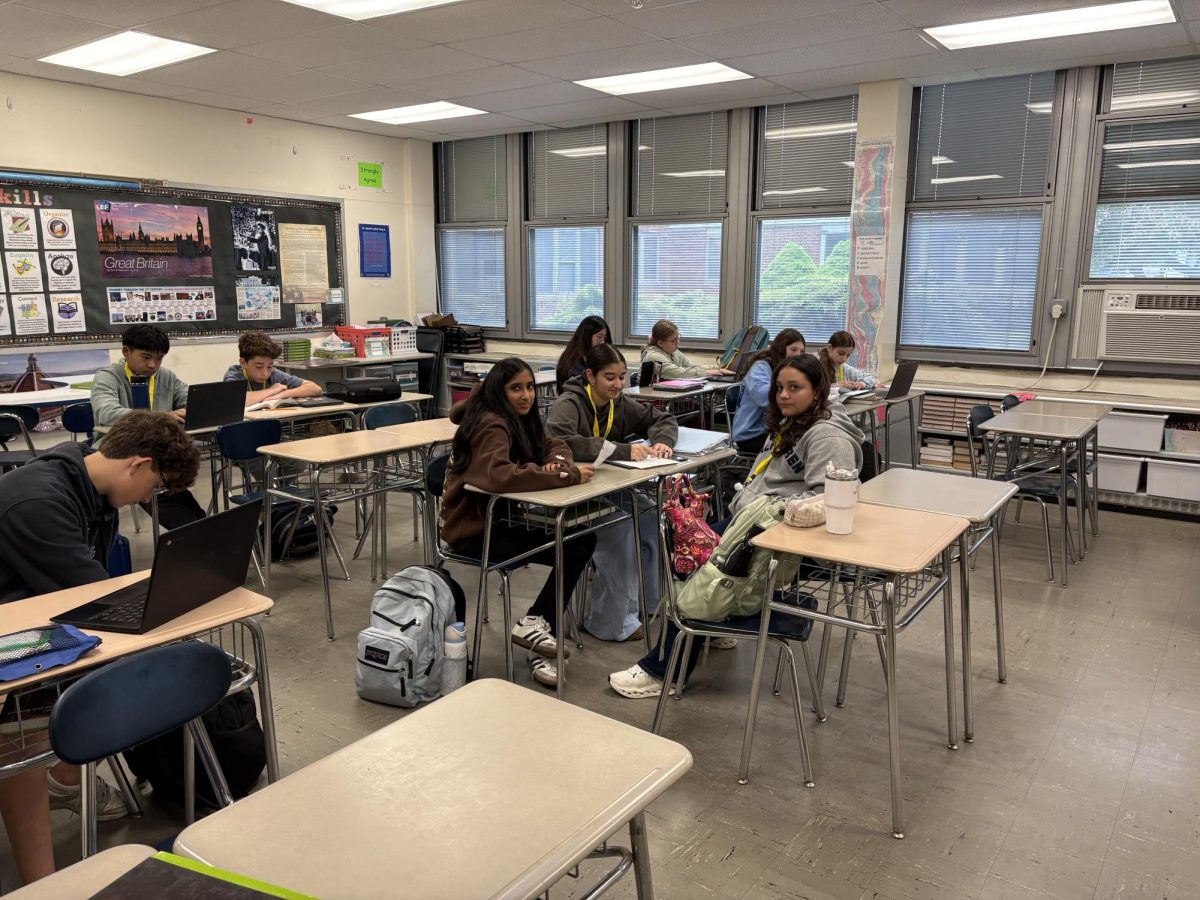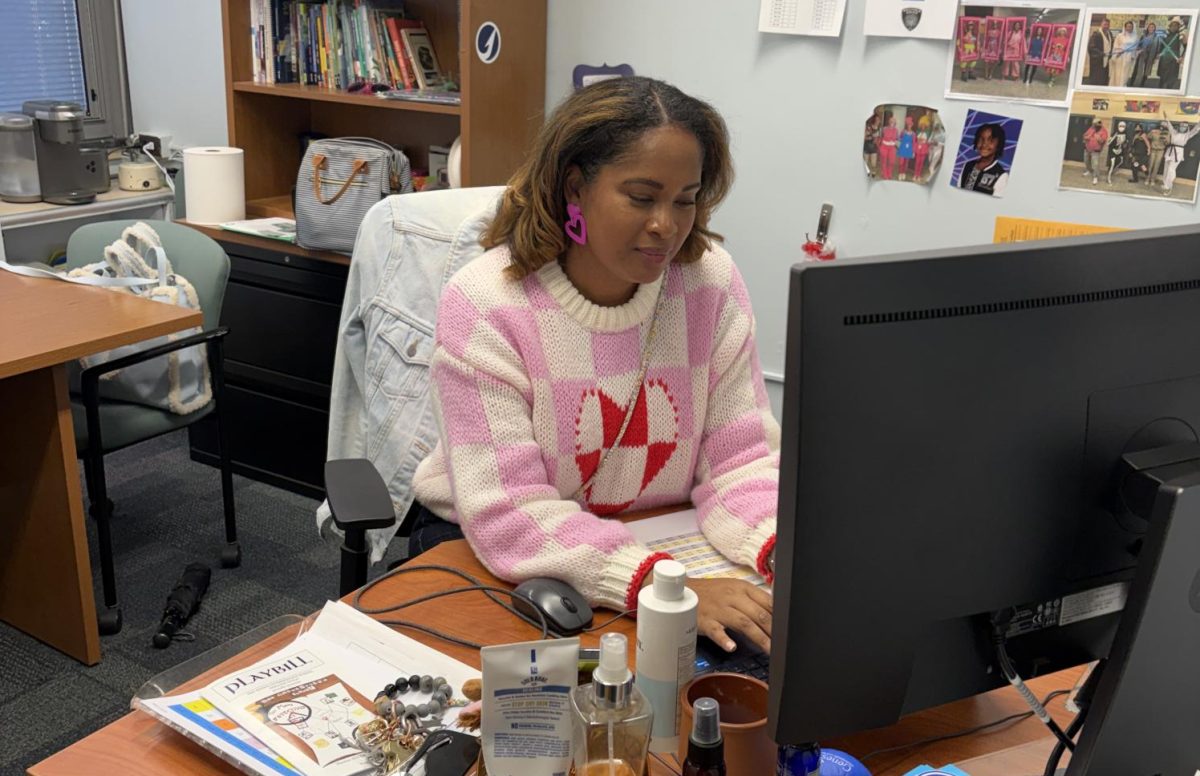
Schools worldwide use various monitoring systems on school-issued computers. Edison Intermediate School (EIS) utilizes Gaggle, a monitoring system designed to create a safe environment that identifies students in need of mental and emotional support. Gaggle does a good job of keeping students out of harm’s way and warns staff about students’ potential struggles. While it flags many serious issues in schools, some unnecessary flags also occur.
Gaggle was a program founded by Jeff Patterson in 1998, with an initial goal to develop a secure student email provider. When more unsafe online situations arose, he expanded Gaggle’s offerings to prevent students from other possible harm on the internet. The program was then adopted by schools all over the globe, helping students and protecting them from a variety of damage, including self-harm, cyberbullying, suicide, and more.
EIS eighth grade school counselor Mrs. Amanda Alicastro, has stated that Gaggle is a lot more helpful to our school than some may think. She believes it is a huge help for EIS students and teachers. “Gaggle is helpful for the counselors and administrators because it potentially identifies people who are struggling. It’s hard for some people to talk to other people by themselves without being asked, so Gaggle helps alert us if someone might be in trouble,” Mrs. Alicastro stated.
She believes that Gaggle won’t flag people unnecessarily very often. Usually, the office staff gets notified when there is a school project going on that causes someone to look up something that may get flagged. The only times they don’t get notified are usually in health class, which can lead to some troubles. Seventh grade student Tai Leroy stated, “I was looking up how drugs are made for health, and I got Gaggled.”
Some of the students at EIS think Gaggle is a great help to identifying mental health issues, but others think it is a little unnecessary. Many students have experienced Gaggles for small issues, many of which were misunderstandings or nothing serious. This happened to Aria Green, a seventh grader at EIS. “My friends and I were trying to prank one of our other friends, and I looked up how to hurt myself,” she said, “I don’t actually want to hurt myself; I was just trying to come up with ideas for a prank and got Gaggled.”
Another big problem students face is email. There have been many instances where a student tries to interact with their friends through Gmail and gets a Gaggle notification. River Javidi, an eighth grader at EIS, said, “I was typing an email and it flagged me because I sent it to another student.”
River thinks this is an issue, and many agree. Students expressed their concerns that if they were working on a group project and didn’t have their partner’s phone number since phones are banned, they would have no way of contacting them.
Students also face more issues. For example, people in the school now feel scared to type things or to look things up, as fear of Gaggle has skyrocketed for the sixth, seventh, and eighth graders. Seventh grader Sonja Berberich at EIS said, “Gaggle makes people more scared of searching things up on your Chromebook.”
Sonja expressed her feelings that she is scared to look things up now, and it’s only the first marking period. Kids aged 11-14 in EIS have expressed their feelings of fear from Googling something or writing something on their Chromebook. Some students feel that constantly monitoring their school-issued computers is an invasion of privacy. Dean McNanna, a seventh grader at EIS, believes, “It is more stressful to do school work while being monitored, and if you write something bad, it scares you.”
Kids in all grade levels agree that we get flagged too much by Gaggle unnecessarily. Eighth grader at EIS, Molly Brenan, expressed, “I think it flags people too much, because a lot of my friends have gotten Gaggled unnecessarily.”
Other students tend to agree with that statement. All grades have agreed that Gaggle flags people too much. Another eighth grader at EIS, River Javidi, recounted, “Yes, it unnecessarily flags people because we can’t send emails to other students.” River has gotten Gaggled before for an unnecessary reason, and she believes that this happens a lot, and she is not the only one.
On the other hand, some students believe that being monitored isn’t too bad. Seventh graders Olivia Podoshen, Lila Spector, and Julia Wronski agree, “Being monitored isn’t that bad because they are the school’s computers, not ours, and we shouldn’t be searching up things we’re not supposed to.”
Mrs. Alicastro stated, “It doesn’t flag people unnecessarily too much. Sometimes during the year, we will be informed of an assignment. About 85% of flagged items are valid.”
Mrs. Alicastro said that at times during the year, the office is informed of a school project that requires students to look things up that may get flagged, so they don’t have to start an investigation. If they are not informed and someone gets flagged, then they will start an investigation into the student and why they typed certain phrases or words. Students are able to type freely on their Chromebooks while also having some restrictions on what they type.
Andrew Cusumano, EIS Media Specialist, expressed, “I think that flagging students is Gaggle’s job, and when there is a flag, the adults can figure out what is happening even when it is incorrect.”
Seventh grader Isabelle Henri agrees, but she also thinks Gaggle lets too much slide. “There should be more restrictions on our computers to prevent bad things from happening.”
In conclusion, Gaggle seems to make students debate, but overall, it is a benefit for our school and teachers. EIS is a safe place where students are always protected by whatever means, even if that includes monitoring them on their school-issued Chromebooks. Gaggle is making a huge impact, and our school is safer because of it.